

 Suche
Suche
5 bizarre pre-race rituals that runners swear by
Runners are creatures of habit, and sometimes those habits lead to entrenched pre-race routines. “Runners are so ritualistic and often have quirky little habits,” says Heather Hausenblas, Ph.D., a physical activity and health psychologist at Jacksonville University. “We also become superstitious before an event.” But do these pre-race exercises really help you stay in line? "Running a race can be anxiety-inducing. Anything that makes you feel calmer beforehand is a good thing," she says. That's true - except when they affect your performance. Find out whether your race-ready habits are helping or hindering. (And put...

5 bizarre pre-race rituals that runners swear by
Runners are creatures of habit, and sometimes those habits lead to entrenched pre-race routines. “Runners are so ritualistic and often have quirky little habits,” says Heather Hausenblas, Ph.D., a physical activity and health psychologist at Jacksonville University. “We also become superstitious before an event.”
But do these pre-race exercises really help you stay in line? "Running a race can be anxiety-inducing. Anything that makes you feel calmer beforehand is a good thing," she says. That's true - except when they affect your performance. Find out whether your race-ready habits are helping or hindering. (And make sure they're not among the 15 Annoying and Rude Running Habits to Break.)
Lay out your clothing
Corbis images
“I overprepare,” says Emily Mahr, a Minnesota runner and blogger Twitter. “I design all the clothing that I might wear during and after the race.”
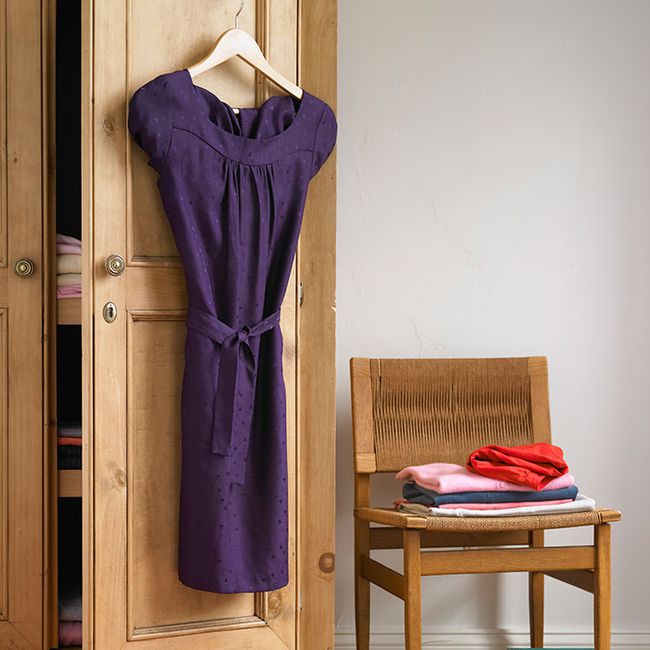
This common practice has even spawned its own hashtag #flatrunner, with racers posting pictures of clothing, socks, shoes, bibs, gels and more, neatly arranged and ready to run. According to Hausenblas, it's common for athletes to "show off" equipment, even for her six-year-old soccer-playing son.
“It’s a healthy habit,” she says. "They're kind of trying to get excited, get in the zone and relax. Some people even make sure they have all four safety pins for their bib and every last item they could possibly need. The last thing you want to need is to wake up in the morning and something is missing."
Additionally, posting your #flatrunner pictures on social media can improve your mood. “Running is a very individualistic activity,” explains Hausenblas. "By posting your race-ready photo, you create a sense of community. You know there are other people out there doing the same thing as you. It can help calm you down and prepare you for the race."
Obsessed with sleep

Corbis images
Early morning alarms push some runners to extremes when it comes to catching zs. "This may sound bad, but I take melatonin to help me fall asleep earlier than usual the night before a pre-race wake-up call," says New Jersey author and runner Erin Kelly via Twitter. She is not alone.
“Dietary supplements have been shown to be safe at low dosages and short-term use,” says sports nutritionist, author and experienced marathon runner Janet Brill, Ph.D., RD.
A possible problem? “Some people feel groggy in the morning,” Brill adds. “This is the golden rule: practice before you race.” Hausenblas agrees. “If you're not used to taking melatonin, it could interfere with your racing,” says Hausenblas.
To provide some calm, "read or listen to soothing music," Hausenblas suggests, while Brill says, "Eat a protein with tryptophan or take a warm bath. Even a glass of red wine is okay if you've practiced training."
Whatever you do, don't sweat going to bed early, says Hausenblas. You'll be fine on race day even without a perfect night's sleep. (These science-backed strategies for better sleep guarantee a full eight hours of beauty sleep.)
You're lucky _______
Corbis images
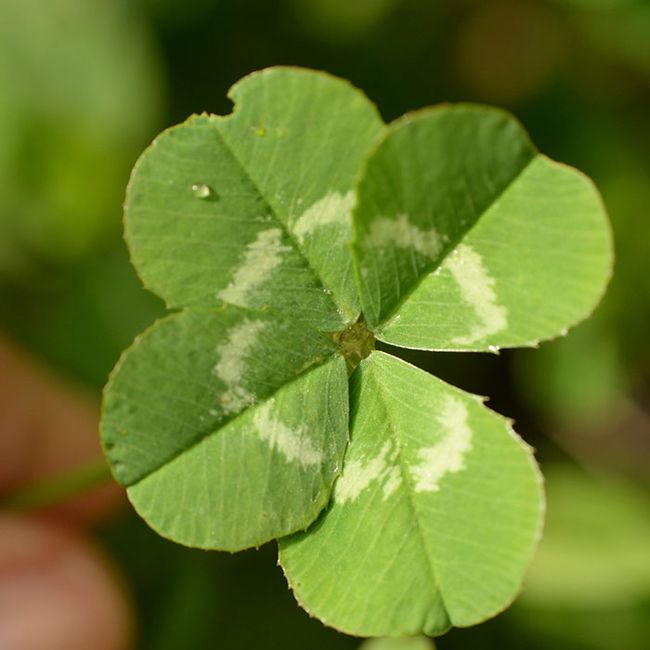
Runners are famous for carrying magical talismans to get them through the big day. Five-time USATF Ultrarunner of the Year and prolific marathoner Michael Wardian famously wears a backwards baseball cap to every race. Olympian, American 5,000-meter record holder and self-proclaimed "nail polish enthusiast" Molly Huddle paints her nails differently before each event.
And it's not just the pros: "Big Sexy Hair Spray gets me through 26.2 - 47 and counting every time!" says Marathon Maniacs running group member Jen Metcalf. “My happy unicorn Dale accompanies me to every race!” says Ohio runner and blogger Caitlin Lanseer Twitter.
But does a lucky charm really help you? Maybe, says Hausenblas. “They reduce anxiety,” she explains. “Most people will feel anxious before a race, so it’s good to have something familiar to calm you down.”
Just don't get too clingy. “If they lose that object or can’t find it, that could lead to more stress, depending on how much value they place on it,” warns Hausenblas.
Cue your favorite song
Corbis images
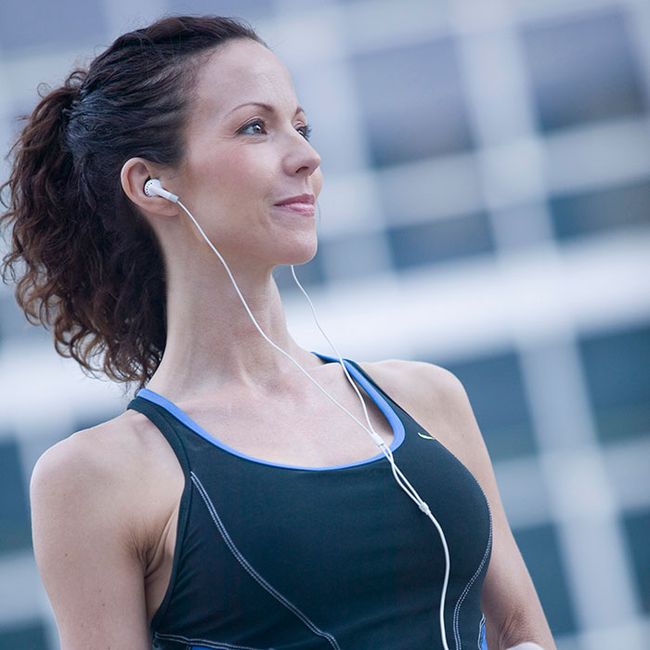
Every runner has a favorite jam, and many turn to music to prepare for the race. "If my playlist doesn't start with 'Footloose' (yes, the movie theme), my whole run is ruined," says Londoner Marijke Jenson via Facebook. “Music is very motivating,” says Hausenblas. “People who listen to music will work out harder, but won’t feel like they’re working as hard.”
Listening to music before running can also improve performance, according to a recent study published in the Journal of Strength and Conditioning Research. Researchers found that listening to motivational songs before a 5K was faster, as was tuning in during a run. (Find out the best running songs to speed up your 5K.)
But like this lucky rabbit's foot, don't become too dependent. “People become creatures of habit,” says Hausenblas. "But if their iPod's battery dies or they can't listen to music for some reason, it can lead to more stress and negative thoughts."
Skip breakfast
Corbis images
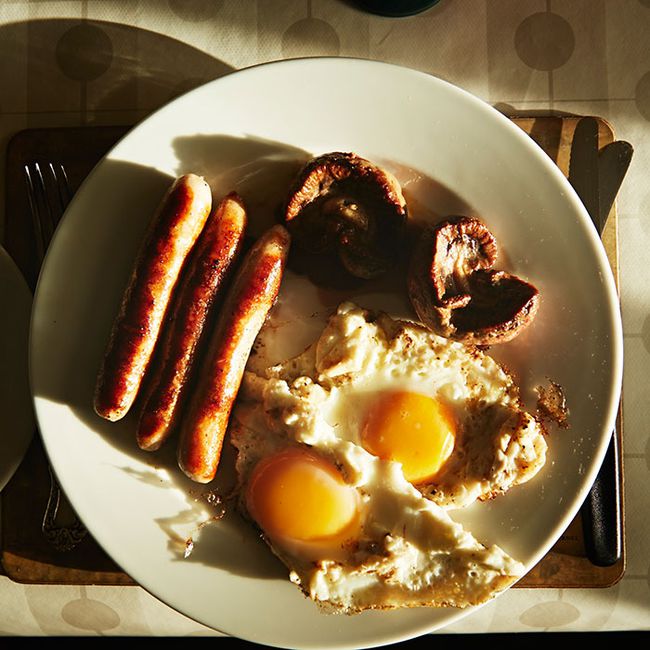
Many runners stick to the tried and tested breakfast on race morning. But a surprising number go without food at the start and during the race or rely solely on gels. “You should never go into a race without eating something,” says Brill, especially if it’s 10K or more. Drink fluids and consume easily digestible carbohydrates to keep your blood sugar levels high. “The goal of your diet is to go into the race hydrated and with replenished glycogen stores,” explains Brill.
Two to four hours before your race, eat a meal that is low in fat and fiber but high in protein and carbohydrates. Brill suggests a banana yogurt smoothie with granola or a light turkey sandwich. Then, avoid whole foods in favor of water, sports drinks, gels, or gummies 30 to 60 minutes before shooting. “Learn to eat these types of foods on your training days,” says Brill. “Train your stomach like you train your muscles.” (Consider one of the best pre- and post-workout snacks for any workout.)
Once you find something that works, stick with it. “Stay consistent,” says Hausenblas. "Don't change your diet. Don't do anything new or drastic on race day."