

 Suche
Suche

The idea ofkeep it simpleis something that is present in almost all areas of life - except for sporting activities. Unless a behavior is extreme or challenging, it is assumed that it is not working.
Believing this reality not only leads to injury and burnout, but is also a big reason why so many people struggle to see results, become frustrated, and generally miss out on opportunitiessimplystay healthy.
That doesn't mean you don't have to put in a little time and effort, just the timeandThe effort required to improve your health and how you feel is probably much less than you imagine.
Whether you're looking for a place to start your routine or you're trying to dial in and make the small changes that make a big impact, it's time for you to walk.Literally.Here's why and how to start walking to lose fat.
Is walking better than running?
The difference between “healthy habits” and “fat loss habits” is one of the most difficult health concepts to grasp.
Just because something is healthy does itnotmeans it leads to fat loss. The simplest example is a common nutritional mistake. You can eat a lot of “healthy” food, but if you eat too much of it, you will gain weight.
Conversely, just because something helps you lose fat just means it's healthy. Dr. Mark Haub, a professor at Kansas State University, proved this when he lost 27 pounds after a Twinkie diet.
The phenomenon also applies to movement. All too often, people argue about the “best” way to exercise.
Certain types of exercises, such as B. Weightlifting, are more efficient for weight loss. And people will argue that weightlifting is more effective than running for fat loss.
It's really a matter of time, goals and skills. Yes, if you go for a run and increase the intensity, you will burn more calories. But how often do you run? And is your goal to be a better runner?
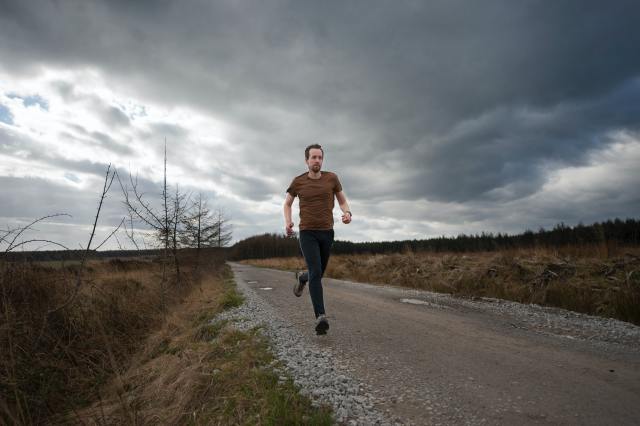
Let's say you only ran for 45 minutes 2 days a week. But let's also say you hated it, it resulted in some pain, and those feelings (emotional and physical) made you a very inconsistent runner.
Now compare that to walking at a brisk pace for 30 minutes, 5 days a week, while listening to your favorite podcast.
Your total amount of exercise would increase (150 minutes vs. 90 minutes), the frequency of your exercise would be higher (5 days per week vs. 2 days), the stress on your joints would be reduced, your stress levels would decrease, and your motivation would decrease.
Not to mention, walking would act as a form of exercise if you were doing other forms of exercise - like walking. B. Strength training or sportsactive recreation,This would help your muscles recover faster and relieve pain.
So is walking “better” than running? Maybe not on a minute-to-minute basis, but it could be a healthier and more consistent option.
In general, there are many benefits to lower intensity exercise, and this type of training can also compensate for weaknesses you didn't even know existed.
Can walking help with fat loss?
While it doesn't make headlines because it's not sexy, walking gets the job done a lot better than people think, as long as you put in the consistent effort.
Imagine each step you take small profit. In one 2011 study published in the journalInternational Journal of Behavioral Nutrition and Physical Activity, The researchers found that a 5-minute walking break every hour could burn an additional 660 calories per week.
Extrapolate that over a year and you could lose about 9 to 10 pounds just by adding up the 5-minute walks.
Of course, in an 8-hour day, this equates to 40 minutes of walking per day, at least 5 days per week. And not everyone can get up every hour to go for a walk. It's a commitment, but even if you've done half of that amount, you can still see a difference.
In fact, some of the biggest celebrity trainers, people like Harley Pasternak, are best known for their focus ondaily stepsas a basis for health and fat loss. Pasternak sets a goal of 12,000 steps per day for his A-list clientele, which ranges from Ariana Grande and Lady Gaga to LL Cool J and Adam Levine.
In general, you don't need to model what celebrities do (especially if you have to spend a lot of money on approaches that aren't backed by science. Cough, cough, celery juice!). But if walking can work for them, you better believe you should at least try it yourself. After all, it's free.
Proven Health Benefits of Walking
The health benefits of walking should not be underestimated, and research shows that it is undoubtedly good for you.
New research from the Netherlands compared different types of exercise and exercise (and lack thereof) to markers of health. You know “health markers” as the “under the hood” breakdown of how your body really feels and whether you are healthy or not.
The study examined the specific effects of:
- Sitzung
- Stehen
- Übung (gelegentlich)
It turns out that each has a certain impact on your body that is measurablein just four days.
In this study, researchers recruited 61 adults - some were healthy, some were overweight, and some were overweight and diabetic. None were practitioners before the study. The scientists then had the group follow three different life patterns, each for four days in a row. The patterns were:
- 14 Stunden am Tag sitzen, nur aufstehen, um auf die Toilette zu gehen (klingt nach meinem Leben nach einem Training am frühen Morgen)
- 13 Stunden Sitzen + 1 Stunde mäßige Bewegung
- 8 Stunden Sitzen + 6 Stunden Stehen oder Bummeln
Participants underwent a series of health tests before and after each block. The results:
- Die Sitzperiode führte zu einer Verschlechterung des Cholesterins und einer Erhöhung der Insulinsensitivität, selbst bei denen, die zu Beginn metabolisch gesund waren (kein Diabetes).
- Die Trainingsperiode führte zu einer Verbesserung der Gesundheit der Endothelzellen (wodurch Ihre Blutgefäße flexibel, geschmeidig und stark bleiben), jedoch ohne Auswirkungen auf die Insulinsensitivität oder das Cholesterin.
- Die Steh- / Spazierzeit führte zu einer Verbesserung der Insulinsensitivität und des Cholesterinspiegels

The lesson is that exercise has benefits, and you shouldn't think of exercise as "checking off" all the health boxes.
Just because you lift weights or have time at the gym doesn't mean you should think you can sit all day.
Walking also has a surprising number of health benefits (and yes, it will burn some calories too).
In fact, this is very much in line with what we have been saying for a long time: the movement you makeoutsideThe gym has a surprising impact on your health and weight loss.
It's a win for everyone. If you need more information about the changes walking can make to your life, this article will help.
Have any questions? Share in the comments below or follow us on Instagram for our Sunday Q&A.
Or if you're looking for more personalization and practical support,Our online coaching program may be right for you. Each client is assigned two trainers – one for nutrition and one for fitness. Find out more here.