

 Suche
Suche

The most difficult part of a diet isnotThe self -control or reduced calories that are part of a weight loss plan. It is the apparently cruel way your body fights against her to make her hungry than ever before and to urge you to the food you want to avoid.
When you cut calories and, more importantly, lose weight, things change in your body and brain, making you feel hungrier. While super-restrictive diets are a big reason why many diets fail, other plans that could be perfectly good also feel impossible because of this hunger signal.
The answer is not to stop losing weight (if this is your goal), but to be aware of the inevitable increase in hunger and to ensure that your diet is loaded with food that you fill. If this happens and especially if these filling food contains fewer calories, you can experience the diet code cracking and weight loss without all the frustration (and endless hunger).
What food do you fill?
Suppose her daily calorie intake is roughly where it should be for weight loss. This means that you have a calorie deficit, the scale should change, and - if that happens - your hunger will inevitably increase.
In this case, we would try to use more foods that improve your feeling of fullness. Previous studies have shown that there are three keys to achieve this. (Unfortunately, none of them are ice cream, pizza or cheesecake.)
Three things that can help them feel full are: Protein, fiber and water. Surprisingly, certain carbohydrates also keep you incredibly full (more on that in a moment).
If you're trying to maintain sanity, adding more protein, fiber, and water will make your life a lot easier.
How do you make this change in diet easier? Here is an easy way to achieve this and to feel more fully and more controlled than ever about your diet (and your hunger).
Protein-rich foods that fill you up (and contain fewer calories)
Research consistently Show on Protein is the most filling macronutrient, so it's great to get a serving of it with every meal. If you want to take it a step further, you can set a goal.
"We recommend approximately 0.8-1 g of protein per pound of target body weight if you are active," says Born Fitness nutrition coach Natalie Sabin. (Note: target body weight is what youwantto weigh, not necessarily what you currently weigh.)
"Protein is not only filling, but also muscle -friendly - which means that they stick to their muscle mass in a calorie deficit."
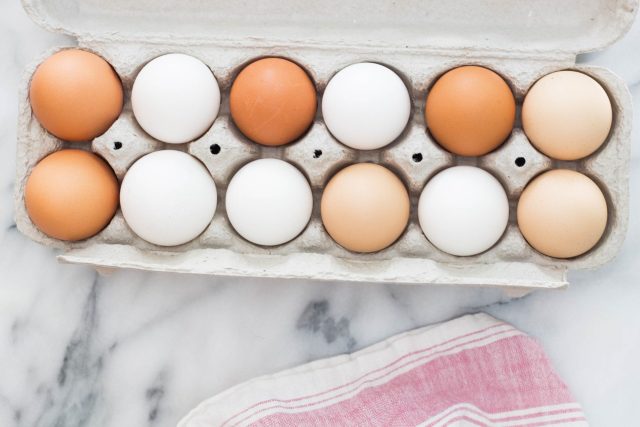
Meat, eggs and dairy products are good sources of protein. If you're trying to eat fewer calories, you'll want to focus on leaner protein sources, which means less fat. While fat isn't bad, it is high in calories at 9 calories per gram of fat (compare that to just 4 calories per gram of protein). Fattier proteins include ribeyes, salmon and whole eggs.
To stick with low-fat protein options, you can include more poultry (like chicken or turkey), low-fat fish (most whitefish options work), seafood like shrimp, scallops, or crab, and leaner cuts of beef (like sirloin or fillets) or egg whites.
If you are a strict vegetarian or vegan, rice and beans, quinoa or tofu are all the best.
Choose carbohydrates that reduce hunger
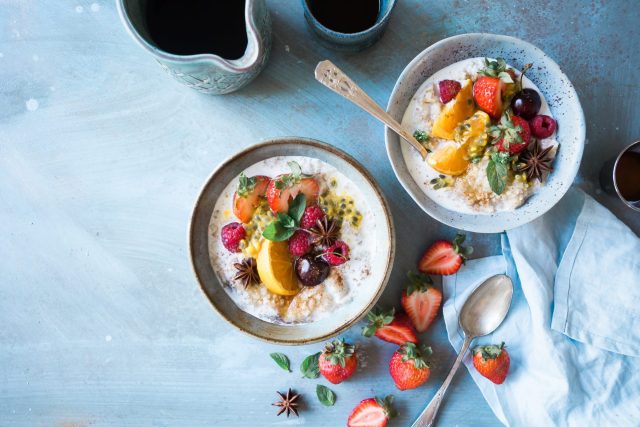
According to that Saturation index Fresh fruit and vegetables are ideal additions to your diet because you are satisfied for longer. Foods such as potatoes (yes, white potatoes or sweet potatoes), beans and oatmeal are demonstrably hungry for longer, which makes sense because everyone is rich in fiber. So are fruits.
Researchers at Penn State University When subjects consumed a 125-calorie apple before lunch, they ate 200 calories less in the following meal. They also reported a greater feeling of fullness.
Add nuts to adhere to a diet
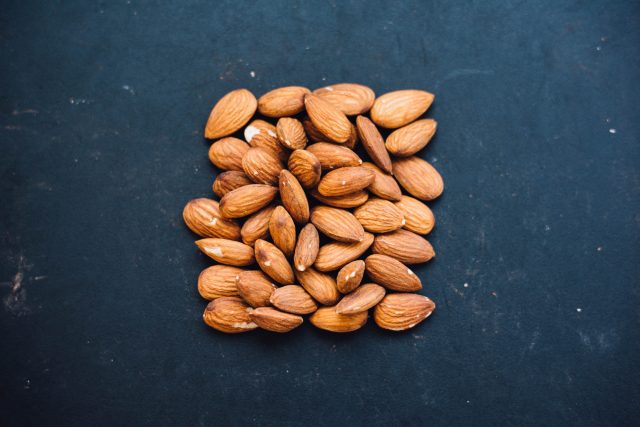
You might think that nuts at high concentrations of calories and fat would not be a good idea for dieters. But nuts are surprising Success story when it comes to weight control.
According to the obesity researcher and writer Stephan Guyenet, Ph.D., nuts are "less high in calories than they seem because some of their calories are not absorbed by the digestive system".
Basically, he means that if you eat a serving of almonds, which is about 162 calories, your body won't necessarily absorb all of those calories. Some will just pass through you, a phenomenon that Researcher attribute on the hardness and high fiber content of the nut.
This does not mean that you are going crazy and should devour handful of handful. There is a big difference between "Not all calories are absorbed" and "calorie -free". (And let us be clear: nuts are definitelynotcalorie-free.) Enjoy, but watch your portion sizes here.
Drink more water before eating
Numerous studies Show that you consume water before a meal reduces calorie consumption And increases the feeling of abundance. Many people heard the rule "8 glasses a day", but only a few actually do this.
From any location, see if you can add three glasses to your daily routine: one before (or during) breakfast, lunch and dinner.
If you prefer to drink while eating than before, take a sip between the bite.
If you're doing all of these things but still feel like you can barely make it to lunch without chewing your arm off, switch up one more thing: how often you eat.
Some people prefer to eat several smaller meals and snacks a day, while others find that they do better if they only eat 2 or 3 larger meals.
As we explained, no option is better or worse as long as your calorie count is the same. It's simply a matter of preference.
If you are looking for more personalization and practical support,Our online coaching program may be right for you. Two trainers are assigned to each customer - one for nutrition and one for fitness. You can find out more here.
Topics of the next articles:
What you should eat for breakfast to fill yourself
Cinnamon-apple yoghurt parfait with protein muesli
The Beginner's Guide to Fat Loss